There are few constants at Parker, but the Twelve Days tradition has always been one of them. Since junior kindergarten, it has existed as a kind of promise. Every December, I watched older students get up on stage in themed costumes, laughing too loudly, dancing too freely, and for a moment, school felt like something softer, warmer, more alive. I counted the years not by grade levels but by how close I was to finally being part of it. I wondered what group I would be in, who I would dance beside, whether I would feel as magical as they looked.
Now I’m a senior. I’m in the Nine Ladies Dancing group, exactly the kind of group I used to dream about. I’m dancing with my friends, people who know my laugh and my stress spirals and my college indecision. And yet, somehow, the tradition I anticipated for over a decade has become a chore.
Instead of excitement, there are scheduling docs. Instead of anticipation, there are text threads trying to coordinate nine impossibly busy seniors. Practices compete with college deadlines. Costumes are squeezed in between essays. The magic hasn’t vanished all at once; it’s been worn down, slowly, by logistics and stress and the weight of everything else demanding my attention.
Maybe that’s inevitable. Maybe the things we idolize as children are always destined to lose some of their shine once we finally reach them. Childhood has a way of flattening reality into something simpler. When you’re little, traditions are just joy. You don’t see the planning, the pressure, or the exhaustion underneath. You only see the sparkle. And when you grow up enough to step inside the sparkle, you also inherit everything behind it.
But I don’t think that inevitability tells the whole story.
What’s different now isn’t just that I’m older. It’s that life feels relentlessly heavy. College decisions hover over every conversation, every quiet moment. Acceptance letters, deferrals, rejections each one feels like a referendum on who I am and who I’m allowed to become. Even when something good happens, there’s guilt attached. Should I be working instead? Should I be preparing for what comes next?
It’s hard to feel holiday spirit when your mind is always six months in the future.
I used to be the kind of person who listened to holiday music the day after Thanksgiving. The first jingle felt like permission to soften, to slow down, to be excited about something that didn’t require a resume. But this year, December arrived quietly. The playlists stayed untouched. The songs felt almost intrusive, too cheerful for the mood I was carrying. Stress drowned them out before they even had a chance.
And it’s not just personal. The world itself feels heavier, darker, harder to celebrate within. The news is exhausting. The future feels uncertain in ways that go far beyond college admissions. It’s difficult to decorate a tree when everything feels like it’s on fire. Joy can feel irresponsible when there’s so much to worry about.
So maybe it’s not that traditions like the Twelve Days lose their magic because we grow up. Maybe it’s that we’re growing up in a world that makes it harder and harder to hold joy without justification.
Still, I don’t want to believe the magic is gone for good.
Because even now, amid the chaos, the stress, the group chats and deadlines, there are moments that feel like the old promise. A shared laugh when choreography goes wrong. Someone bringing snacks to practice without being asked. The quiet comfort of standing beside friends who are just as overwhelmed, just as tired, and still showing up anyway.
Maybe that’s what the tradition is really about. Not the costumes or the perfection or even the performance. Maybe it’s about showing up for each other when things feel heavy. About choosing, deliberately, to make space for joy when it doesn’t come easily. About remembering that none of us are meant to carry this season alone.
The holidays don’t have to be loud or glittering to matter. Sometimes they live in the small things: a familiar hallway filled with laughter, a moment of music breaking through the noise, a tradition that reminds us of who we’ve been and who we still are beneath the stress.
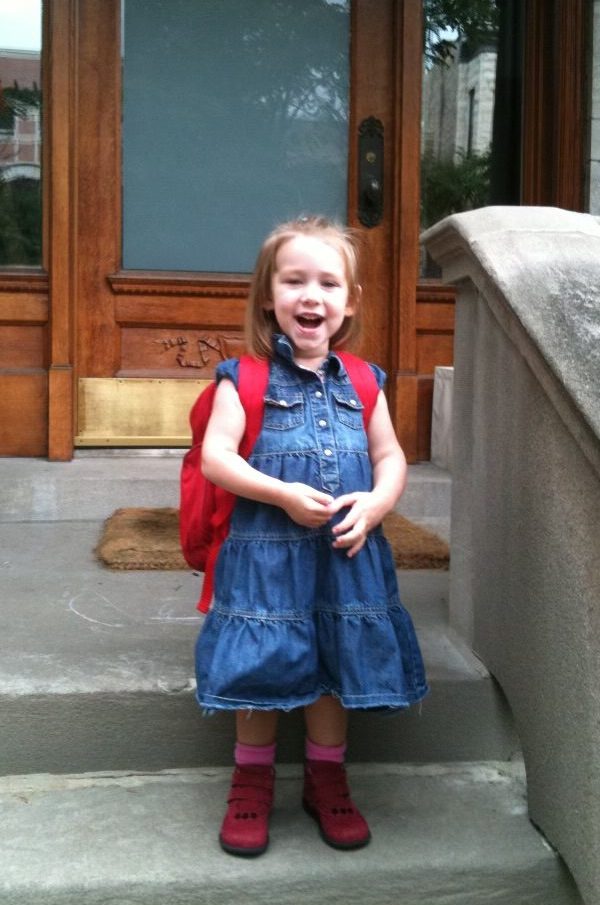
The Twelve Days may not feel the way I imagined when I was five years old, craning my neck to watch seniors dance. But maybe that’s okay. Maybe this version, messy, imperfect, squeezed between applications and anxiety, is the one we need now. A reminder that joy doesn’t disappear when life gets hard. It just asks us to look for it differently.
And maybe that’s the real tradition worth holding onto.